
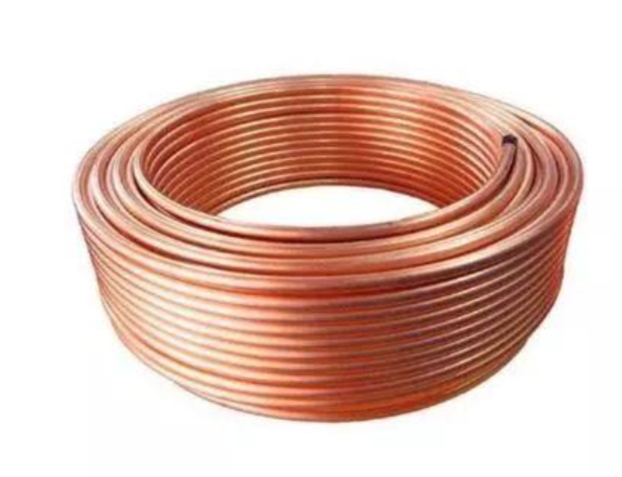
Corrosion is an electrochemical reaction that occurs in the usage environment of metal materials, resulting in a decrease or even complete damage to the metal’s properties and mechanical strength. The corrosion process can be roughly divided into two mechanisms: chemical corrosion and electrochemical corrosion. Let’s take a look together in this issue.
1、 Chemical corrosion
Chemical corrosion refers to the form of corrosion in which metal materials undergo direct chemical reactions with the surrounding medium and are consumed. Common chemical corrosion includes metal oxidation, sulfurization, halogenation, etc.
Iron absorbs oxygen in humid air and forms rust; Silver jewelry will produce black silver sulfide in a sulfur-containing air environment;
Aluminum materials will corrode and form aluminum chloride in chlorine containing media. This type of corrosion usually depends on the chemical activity of the metal itself and the type of medium in the corrosive environment.
Reactive alkali metals and alkaline earth metals are easily oxidized in air and water vapor;
Titanium materials have good corrosion resistance due to the formation of a stable oxide film on the surface.
2、 Electrochemical corrosion
Electrochemical corrosion refers to the process in which a metal undergoes an oxidation reaction and dissolves by releasing electrons into a solution. This requires the formation of a microbattery on the metal surface, which includes an electrolyte solution, an external circuit for electron flow, a cathode region, and an anode region.
For example, mixing different metal pipes in seawater can form corrosion cells at the connection due to potential differences, promoting corrosion. According to the conduction mode of current, it can be divided into uniform corrosion, pitting corrosion, crevice corrosion, and other forms.
Uniform corrosion stabilizes and dissolves the entire metal surface;
Pitting corrosion targets local active points such as impurities, resulting in small pits;
Gap corrosion occurs in the contact or interlayer area between two metals.
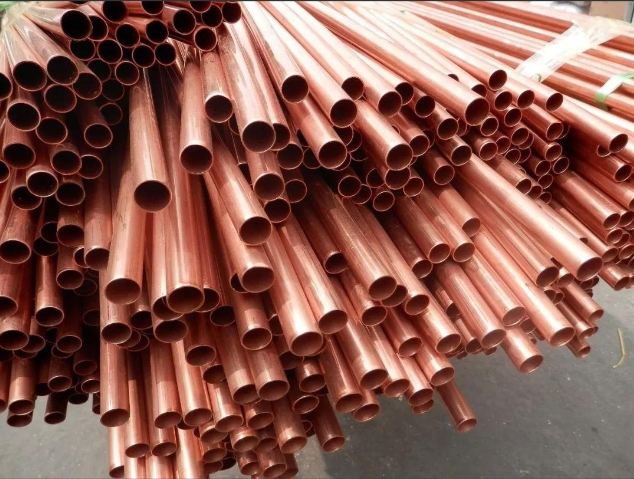
3、 Corrosion forms of air conditioning copper pipes
Copper heat exchange pipes in air conditioning systems can corrode during long-term operation due to internal fluids and usage environments, mainly manifested in the following forms:
- Accumulation and corrosion
Various dirt, rust, and other substances will accumulate on the inner wall of the pipeline, which will stimulate and intensify the corrosion reaction. For example, chlorine containing and sulfurizing substances react with copper to form water-soluble salts, reducing the corrosion potential of copper pipes and accelerating the corrosion process. - Flow rate corrosion
The high-speed flowing medium increases the mechanical and chemical erosion of the pipe wall, such as the blowing erosion of high-pressure gas, or the dissolution and stress corrosion of high-speed liquids. Especially at the bend of the pipeline, it is more susceptible to erosion. - Sealed corrosion
The residual moisture and other electrolytes in the pipeline can corrode the pipe wall due to their inability to be discharged in a sealed environment. This type of corrosion mainly occurs in old air conditioning systems at the end of their service life. - Stress corrosion cracking
Stress concentration under external forces can also cause corrosion damage.
4、 Countermeasures to slow down the corrosion of air conditioning copper pipes
To minimize the corrosion problem of air conditioning copper pipes, the following measures can be taken: - In terms of pipeline structure design
-Using fluid mechanical analysis methods to optimize pipeline structure, reduce fluid damage and stress concentration, and prevent local corrosion current.
-Install filtering devices in areas prone to fouling and protective devices in vulnerable areas such as pipe bends.
-Design a pipeline structure that is easy to clean and install sufficient drainage and venting devices. - Material selection aspect
-Choose materials with better corrosion resistance, such as quenched and age hardened copper materials.
-Use special corrosion-resistant materials such as titanium alloy lining in areas prone to corrosion.
-Use corrosion inhibitors to improve the corrosion potential of materials and enhance their corrosion resistance. - Process and maintenance aspects
-Strictly control every step of manufacturing, installation, and maintenance to prevent the introduction of corrosive factors.
-Regularly clean and remove scale from pipelines to reduce the accumulation of corrosive media.
-Strengthen the sealing of pipelines, reduce the entry of corrosive media, and do a good job of dehumidification and adding desiccants. - In terms of technological innovation
-Develop new corrosion-resistant coatings, such as microcrystalline wax coatings, to improve corrosion resistance.
-Applying electrochemical detection technology to predict local corrosion trends and guide maintenance.
-Develop advanced corrosion-resistant materials and structures to achieve corrosion-resistant design.
-Utilize a digital monitoring system to monitor pipeline corrosion in real-time.
In summary, comprehensive measures should be taken from multiple perspectives including structural optimization, material improvement, lean maintenance, and technological innovation to continuously improve the corrosion resistance of copper pipes, minimize the occurrence of corrosion problems, and ensure the long-term safe and reliable operation of air conditioning piping systems.
 Ningbo Senjun New Materials Co., Ltd.,
Leave a comment